September 3, 2026
Outdoor concrete installations serve as vital structural components for residential properties, providing stable surfaces for driveways, walkways, patios, and building foundations. Over extended periods of continuous exposure to shifting weather patterns, heavy vehicle traffic, and natural ground movement, even well-installed slabs experience physical wear and tear. While minor surface blemishes may seem purely cosmetic at first, ignoring progressive deterioration can jeopardize the overall structural integrity of your home. Recognizing early warning signs of ground instability, surface erosion, and material breakdown allows property owners to address structural flaws before extensive damage occurs. Partnering with an experienced local concrete contractor ensures that failing slabs are evaluated properly and repaired using professional techniques that restore strength and longevity. Understanding these critical warning indicators helps homeowners protect their property investments, maintain safe walking conditions, and preserve curb appeal across every outdoor living space.
1. Deepening Structural Fractures Across Foundation Walls
Foundations bear the immense load of entire residential structures, requiring unbroken material density to keep building frames level and secure. When soil beneath a foundation shifts due to excess moisture, frost heaving, or inadequate ground compaction, immense stress concentrates within solid foundation walls. Over time, these physical forces create visible structural fractures that travel vertically or diagonally along base surfaces. Ignoring widening foundation cracks allows subterranean water to seep into interior basements and crawl spaces, destabilizing interior framing members.
Hiring a qualified local concrete contractor allows property owners to address foundation movement before structural framing shifts out of alignment. Professional contractors assess crack patterns, measure displacement depth, and apply advanced structural resin injection systems to bond fractured slabs together securely. Stabilizing foundation walls prevents moisture intrusion, halts soil movement beneath footing bases, and reinforces total load-bearing capacity across the entire residential structure.
Furthermore, early foundation intervention prevents severe secondary damage throughout interior living spaces. Unaddressed foundation settling causes interior door frames to warp, drywall seams to split, and flooring materials to buckle. Addressing base fractures promptly preserves structural alignment, maintains interior room geometry, and ensures that building footings remain fully anchored into stable subterranean soil layers.
2. Severe Surface Spalling Along Outdoor Driveway Slabs
Driveways endure continuous impact from heavy passenger vehicles, seasonal freeze-thaw cycles, and chemical exposure. When water penetrates unsealed surface pores and freezes, expanding ice crystals exert intense internal pressure against upper aggregate layers. This repeated expansion forces top layers to flake, chip, and peel away in a destructive process known as spalling. Spalled surfaces expose raw aggregate beneath, accelerating ongoing surface degradation under daily vehicle traffic.
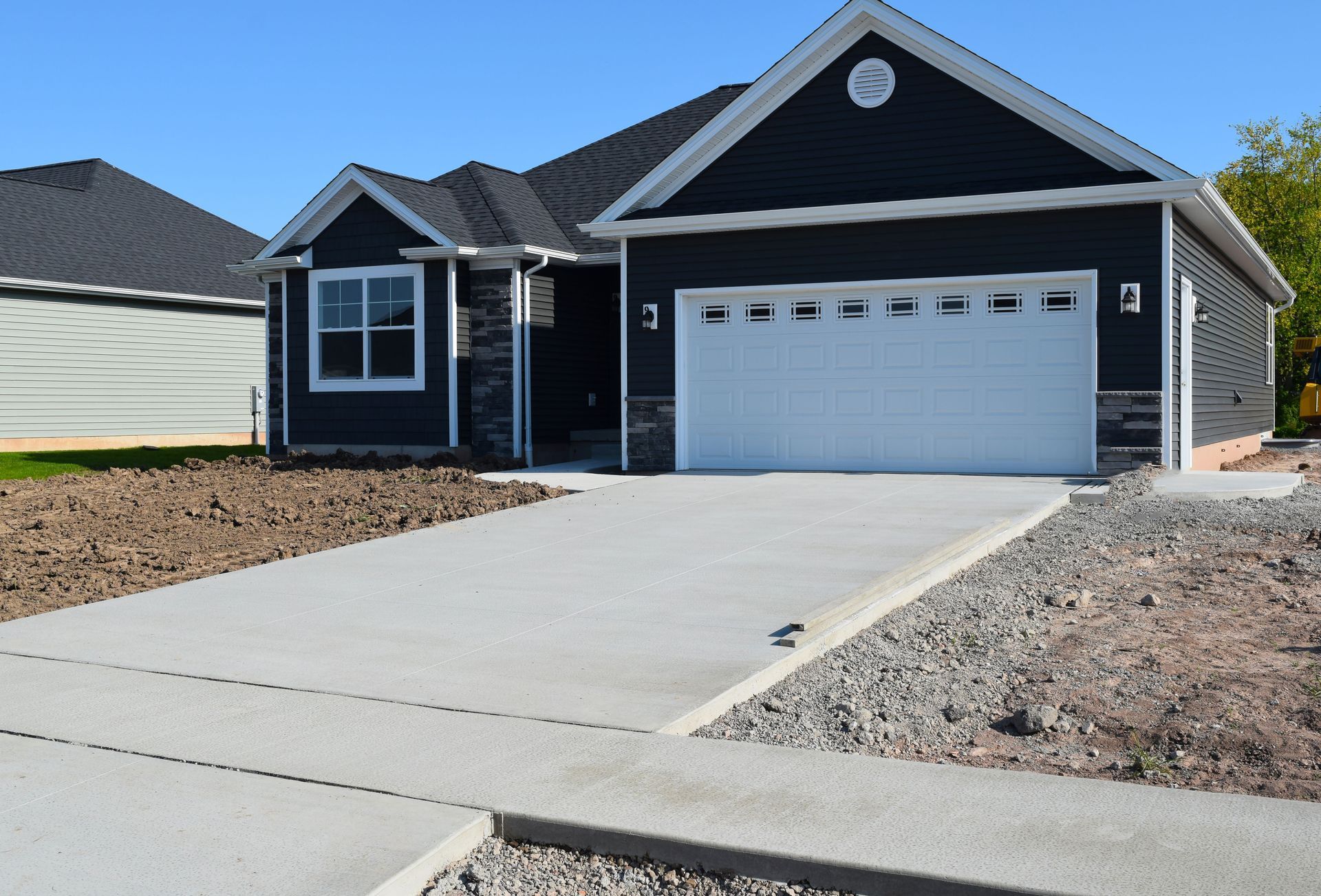
Enlisting a skilled local concrete contractor restores compromised driveway slabs through specialized resurfacing treatments or targeted slab replacements. According to NerdWallet, curing a newly installed concrete driveway completely requires between seven and 28 days of uninterrupted curing. Professional contractors oversee this critical curing period to ensure newly poured surfaces achieve maximum compressive strength before enduring regular vehicle traffic. Timely resurfacing repairs rough textures, stops aggregate detachment, and restores smooth driving surfaces.
Protecting driveway surfaces from advancing spalling also eliminates tripping hazards for family members and visiting guests. Pitted, uneven surfaces trap standing water, winter snow, and organic debris that accelerate material decay. Professional repair creates an unbroken, sealed surface envelope that repels surface moisture, withstands severe weather fluctuations, and maintains attractive entryways across residential front yards.
3. Noticeable Soil Displacement Beneath Pathway Walkways
Walkways provide safe pedestrian access across residential yards, connecting driveways, entry doors, and backyard patios. However, subgrade soils beneath walking paths frequently suffer from rainwater washouts, tree root expansion, or poor initial sub-base preparation. As underlying soil erodes or settles unevenly, unsupported walkway slabs sink, tilt, or fracture under normal foot traffic. Uneven walkway slabs create dangerous tripping hazards along daily footpaths.
Engaging a knowledgeable local concrete contractor resolves underlying soil displacement through specialized slab lifting or sub-base restructuring techniques. Contractors inject expanding polyurethane foam or dense slurry mixtures beneath sunken sections to raise slabs back to their original level alignment. Alternatively, completely replacing severely fractured walkway panels allows contractors to excavate unstable subsoil, install compacted crushed stone aggregate bases, and pour fresh slabs that resist future ground movement.
Correcting pathway alignment ensures uniform support across all pedestrian walkways throughout the property. Smooth, level pathways enhance mobility for household members of all ages while eliminating water pooling along walking routes. Investing in professional pathway stabilization keeps outdoor walkways safe, functional, and visually appealing year after year.
4. Sunken Concrete Sections Near Structural Entry Thresholds
Patios and entrance steps located directly adjacent to home foundations are particularly vulnerable to localized ground settling. Soil backfilled around foundation walls during initial home construction naturally settles over several years. As backfill soil compresses, overlying patio slabs, porch steps, and entryway pads tilt downward toward the primary building structure. This negative slope directs rainwater and roof runoff straight against exterior foundation walls.
Consulting an experienced local concrete contractor halts hazardous water flow toward building foundations. Professional technicians inspect threshold slabs to determine whether foam lifting, sub-base mudjacking, or total slab replacement is required to correct ground slopes. Re-establishing a positive drainage slope directs surface water away from exterior walls, preserving foundation waterproofing coats and preventing basement moisture accumulation.
In addition to resolving moisture risks, leveling threshold slabs eliminates awkward step heights at entry doors. Sunken porch steps and unlevel doorway landings increase the risk of accidental slips and stumbles during daily use. Restoring level transitions at building entrances ensures comfortable, safe access for occupants and visitors while protecting structural foundation perimeters.
5. Expanding Water Pooling Around Outer Slab Perimeters
Properly engineered outdoor slabs feature subtle surface slopes that direct rainwater toward lawn areas or storm drainage systems. When slabs lose structural pitch due to localized ground settling or improper initial finishing, rainwater collects in deep surface pools. Standing water weakens surface sealants, penetrates micro-cracks, and degrades cement binder materials through continuous exposure. During winter months, frozen water pools create hazardous ice patches across high-traffic outdoor areas.
Working with an expert local concrete contractor resolves persistent drainage problems across outdoor living areas. Contractors evaluate total site topography, cut strategic relief joints, or regrade surrounding ground contours to eliminate standing water traps. When necessary, professionals install integrated channel drains or pour fresh slabs engineered with precise pitch specifications that shed surface water effortlessly.
Eliminating perimeter water pooling protects surrounding landscape beds and prevents localized soil saturation. Continuous water collection along slab edges softens subgrade soils, triggering ongoing slab tilting and crack propagation. Maintaining rapid surface drainage preserves material density, prevents winter slip hazards, and protects adjacent turf areas from soil erosion.
6. Crumbling Boundary Joints Across Retaining Barriers
Concrete retaining walls hold back tons of soil, controlling severe slope erosion and creating level yard terraces across sloping residential properties. However, intense hydrostatic water pressure accumulating behind retaining walls places immense mechanical stress against wall joints and face panels. Over time, unaddressed hydrostatic pressure causes retaining walls to lean outward, crack along structural seams, and crumble along upper boundary edges.
Relying on a reputable local concrete contractor restores structural stability to failing retaining barriers. Professional contractors clear blocked weep holes, reinforce cracked wall panels with high-strength tiebacks, or rebuild compromised retaining sections using reinforced aggregate mixtures. Re-establishing structural wall boundaries prevents catastrophic slope failures that could bury lower patio sections or destabilize upper yard areas.
If you are ready for an exceptional local concrete contractor for your next home improvement project, contact us at Asphalt Star today. We will help you evaluate your outdoor surfaces and restore structural strength to every slab across your property.