October 7, 2026
Durable pavement is pivotal in ensuring safe and efficient transportation infrastructure across both commercial and residential sectors. An experienced asphalt paving contractor plays a decisive role in achieving long-lasting pavement through technical knowledge, specialized machinery, and strict adherence to proven industry standards. Their foundational expertise ensures that the vital roadways, commercial parking lots, and residential driveways we rely on daily remain structurally sound and visually appealing over decades of continuous use.
A properly executed paving project prevents premature surface deterioration, drastically minimizing ongoing maintenance costs while significantly enhancing overall safety. Qualified contractors must master every facet of the process, from raw material selection and rigorous site preparation to precise compaction techniques and long-term preservation strategies. By merging traditional craftsmanship with cutting-edge technologies, an experienced asphalt paving contractor delivers resilient, high-performing surfaces engineered to withstand heavy traffic loads and extreme weather conditions.
Understanding the Mechanics of Pavement Materials
Choosing the right materials is the initial step toward constructing a high-performing pavement system. Asphalt mixtures are categorized by their production processes and physical properties, including durability, flexibility, and temperature stability. Hot mix asphalt is the industry standard for high-traffic thoroughfares due to its exceptional structural strength, while warm mix asphalt offers environmental advantages by requiring lower production temperatures. Cold mix asphalt serves primarily as a temporary patching solution. An asphalt paving contractor carefully evaluates expected traffic volumes, local climate patterns, and budget parameters to select the ideal mix for every application.
Aggregates constitute the vast majority of an asphalt mixture, directly dictating its load-bearing capacity and structural stability. The selection process requires precise evaluation of particle size, shape, and overall grading. Properly graded aggregates create a dense, stable matrix that effectively distributes weight across the subgrade, reducing the risk of surface deformations like rutting. Angular aggregate particles interlock far more effectively than rounded stones, yielding superior resistance to heavy wheel loads. Seasoned professionals source certified materials to guarantee consistent density and structural integrity.
Binders act as the glue holding aggregates together, providing essential cohesion, flexibility, and waterproofing properties. Composed primarily of refined bitumen, the binder allows the surface to flex slightly under heavy loads without cracking. Adding specialized modifiers, such as elastomeric polymers, enhances binder performance across wide temperature fluctuations. A skilled asphalt paving contractor meticulously tests binder specifications to ensure the finished mix remains flexible during freezing winter temperatures while resisting softening and rutting during intense summer heat.
Environmental factors heavily influence long-term material performance. Regional variations in temperature ranges, annual precipitation, and freeze-thaw cycles dictate specific formulation adjustments. Wet climates demand specialized drainage-enhancing mixes and anti-stripping additives to prevent water from separating the binder from the aggregate. Furthermore, modern contractors increasingly incorporate recycled asphalt pavement into new mixes, balancing environmental sustainability with exceptional material performance to meet regional regulatory standards without sacrificing durability.
Comprehensive material testing and certification protocols eliminate performance guesswork before a single ton of asphalt is laid. Rigorous laboratory testing confirms aggregate hardness, binder viscosity, and overall mix stability prior to field application. Formal certification verifies that all ingredients meet strict municipal and state highway department specifications. By adhering strictly to these testing standards, an asphalt paving contractor assures clients that their new surface possesses the precise physical characteristics required for maximum longevity.
Comprehensive Site Preparation and Engineering
The long-term performance of any paved surface depends directly on the structural integrity of the underlying subgrade. Thorough site preparation begins with an in-depth geotechnical assessment of soil conditions, moisture content, and load-bearing capacity. Weak, unstable, or expansive soils cannot adequately support heavy traffic and will inevitably lead to surface cracking and settling. Contractors address soil deficiencies early by compacting the subgrade, applying chemical stabilization treatments, or excavating unsuitable earth and replacing it with dense, crushed aggregate bases.
Proper drainage design is arguably the single most important factor in preventing premature pavement failure. Standing water and subsurface moisture infiltration weaken subgrade support, wash away fine aggregates, and cause catastrophic freeze-thaw damage. Professional paving strategies incorporate precise surface slopes, catch basins, curb channels, and subsurface drains to channel water rapidly away from the structure. By prioritizing efficient water management during the initial design phase, contractors safeguard the underlying base from water-induced degradation.
Customizing the pavement structure to handle anticipated traffic loads is essential for structural longevity. Contractors evaluate commercial traffic volume, average vehicle weights, and peak usage patterns to engineer appropriate layer thicknesses. A heavy-duty commercial truck lane requires a significantly thicker base and binder course than a light residential driveway. Utilizing advanced engineering software, an experienced asphalt paving contractor simulates long-term stress factors to design a multi-layered structure that balances initial construction costs with maximum operational lifespan.
Weather scheduling plays a vital role during the installation phase. Asphalt materials rely on optimal ambient and ground temperatures to maintain workability and achieve full compaction. Cold winds or sudden rainfall rapidly chill the hot mix, preventing crews from achieving target density before the material hardens. Capable contractors closely monitor regional weather forecasts and schedule paving operations during warm, dry conditions to ensure the material cools at a controlled rate, guaranteeing structural uniformity.
Adherence to local, state, and federal building codes is essential for legal compliance and project success. Regulatory standards govern everything from storm-water runoff management and accessibility guidelines to material specifications and environmental protection measures. Navigating these complex legal requirements demands extensive industry experience. By maintaining full regulatory compliance, an asphalt paving contractor prevents costly project delays, avoids legal penalties, and ensures the finished installation meets all public safety standards.
Long-Term Maintenance and Surface Preservation
Implementing a proactive maintenance routine is essential for maximizing the operational lifespan of any asphalt surface. According to This Old House, it's important to inspect for cracks or damage at least twice a year after paving. Scheduled spring and fall inspections help property managers identify minor surface distresses early, allowing for low-cost repairs before water infiltration causes extensive subgrade damage. Regular assessments focus on surface wear, drainage efficiency, joint condition, and early crack formation.
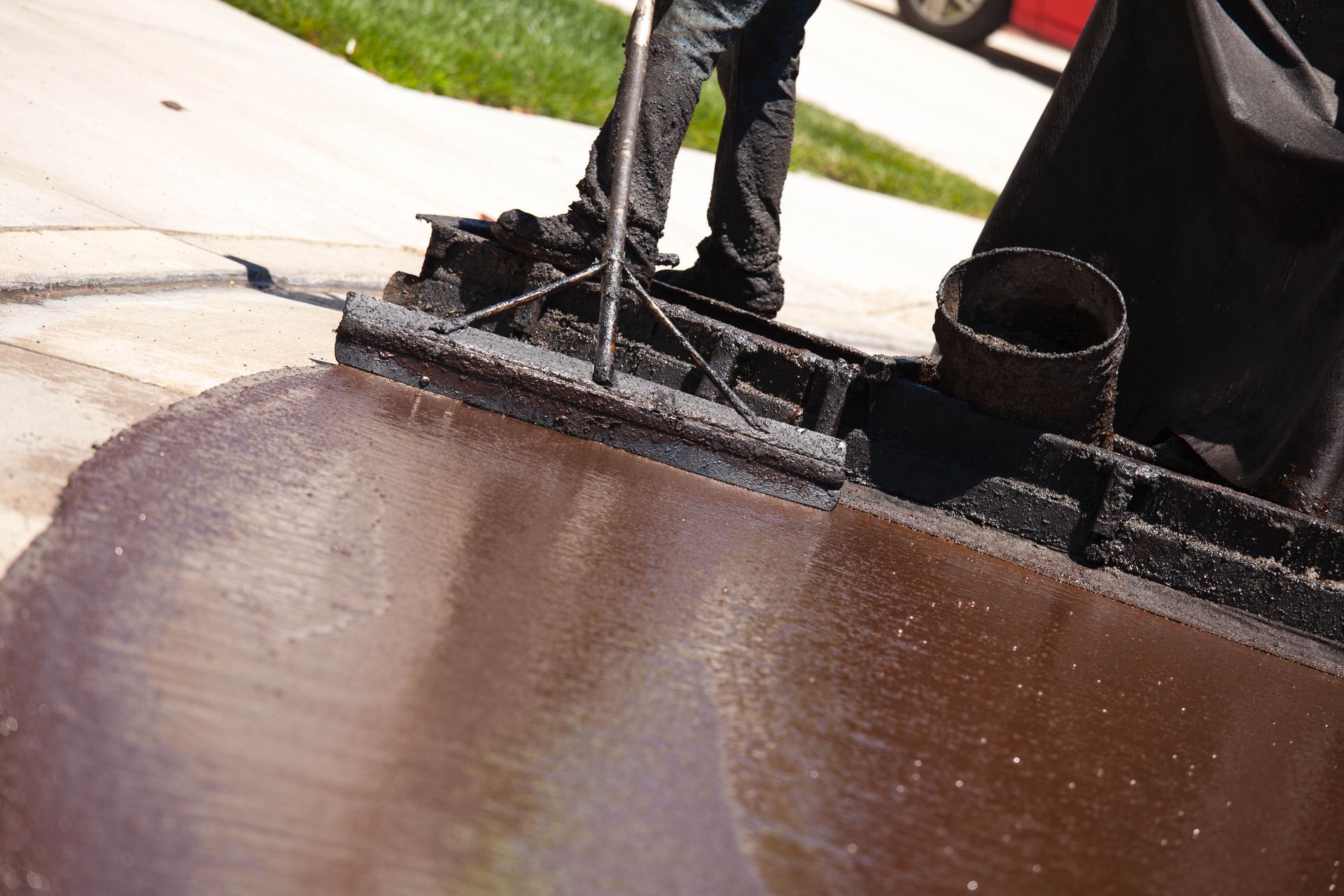
Sealcoating serves as a vital protective barrier against environmental oxidation, chemical spills, and ultraviolet radiation. Over time, sunlight breaks down the bitumen binder, causing the pavement to turn gray, become brittle, and crack. Applying a refined coal tar or asphalt-based sealer coats the aggregate, locks in essential oils, and seals small surface pores. Periodic sealcoating every two to three years significantly slows oxidation and extends the life of the surface.
Prompt crack sealing is a highly effective, low-cost maintenance procedure that halts water entry into the pavement base. Open cracks allow rainwater to reach the subgrade, softening the supporting soil and causing widespread structural failure during winter freeze-thaw cycles. Technicians clean open cracks with high-pressure air, heat the reservoir, and inject hot-applied rubberized sealant. This flexible seal expands and contracts with thermal shifts, maintaining a watertight barrier over time.
When localized structural failures occur, efficient pothole repair techniques restore surface utility and safety. Severe potholes are addressed using full-depth saw-cutting, excavating damaged base materials, re-compacting the subgrade, and installing hot mix asphalt patches. Proper patching restores structural integrity and prevents water from migrating into surrounding undamaged areas, preserving the overall integrity of the paved area.
Developing a customized preventative maintenance plan ensures that pavement assets receive the right treatment at the right time. By combining routine sweeping, crack filling, sealcoating, and structural repairs into a multi-year management program, property owners maximize their return on investment. Partnering with a reliable professional allows property managers to plan maintenance budgets predictably while keeping surfaces safe and attractive.
Constructing and maintaining long-lasting pavement requires a comprehensive approach that integrates material science, rigorous site engineering, advanced equipment, and field-proven construction practices. Every phase of the process—from subgrade evaluation and mix design to precise compaction and proactive maintenance—directly impacts the ultimate lifespan of the surface. When you are ready to invest in high-quality, durable asphalt solutions backed by industry expertise and exceptional craftsmanship, trust the experienced team at Asphalt Star to deliver superior results tailored to your specific project needs.