November 6, 2026
Major concrete projects require careful planning, professional expertise, and clear communication to achieve lasting results. Whether the project involves a commercial parking area, residential driveway, foundation, or extensive concrete surface, understanding the construction process helps property owners make informed decisions. Site conditions, structural requirements, environmental factors, and finishing techniques all influence the quality and durability of the completed installation.
Working with a local concrete contractor provides access to professionals familiar with regional construction conditions, permitting requirements, and installation methods. Knowing what to expect throughout the project helps property owners establish realistic expectations, communicate their priorities, and understand the decisions involved in major concrete construction. From the initial consultation to the final inspection, each phase contributes to the project’s overall success.
Understanding the Initial Project Consultation
The initial consultation establishes the foundation for a successful concrete project. During this discussion, contractors typically review the property’s intended use, existing conditions, project objectives, and potential construction challenges. Property owners can explain their expectations regarding functionality, appearance, durability, and scheduling while receiving professional guidance about suitable installation approaches.
A local concrete contractor may evaluate the proposed work area to identify drainage concerns, accessibility limitations, existing surface deterioration, or potential obstacles. These observations help determine whether additional site preparation, excavation, or structural considerations will be necessary. Commercial projects may require further evaluation of anticipated vehicle traffic, equipment loads, and operational requirements.
Reviewing the Project Scope and Estimate
A detailed project estimate helps property owners understand the anticipated financial commitment and the work required to complete the installation. Concrete construction costs depend on several factors, including project dimensions, site accessibility, material specifications, labor requirements, and the complexity of the proposed design.
Professional estimates generally describe the anticipated work, necessary materials, site preparation requirements, and applicable finishing services. Additional considerations may include removing existing pavement, addressing drainage problems, installing reinforcement, or accommodating specialized construction requirements. Understanding these elements allows property owners to evaluate the proposal beyond its overall price.
Working with a local concrete contractor also provides an opportunity to discuss potential cost adjustments before construction begins. Unexpected underground conditions, changes in material requirements, or modifications to the original scope can influence the final expense. Establishing how these situations will be communicated and approved helps maintain financial transparency throughout the project.
Preparing the Property for Concrete Construction
Proper site preparation plays a significant role in the performance of concrete surfaces. Before installation begins, contractors must evaluate whether the existing ground conditions can adequately support the proposed structure. Soil stability, moisture conditions, grading, and drainage can all affect the finished concrete.
Depending on the project, preparation may involve removing existing materials, excavating unsuitable soil, establishing appropriate elevations, and compacting the underlying base. These activities help create a stable foundation and reduce the likelihood of settlement or uneven surface performance.
A local concrete contractor can assess how regional soil characteristics and weather patterns may influence preparation requirements. Properties with poor drainage, unstable ground, or significant elevation changes may require additional attention before concrete placement becomes appropriate.
Selecting the Appropriate Concrete Materials
Material selection influences the strength, appearance, maintenance requirements, and long-term performance of a concrete installation. Different applications require different concrete specifications based on anticipated loading conditions, environmental exposure, and intended functionality.
For example, a commercial surface exposed to frequent vehicle traffic may require different structural characteristics than a decorative residential walkway. Reinforcement methods, concrete mixture specifications, and surface treatments should reflect the demands placed on the completed installation.
A local concrete contractor can explain available material options and recommend specifications appropriate for the project. These discussions may address reinforcement, surface texture, moisture resistance, and finishing techniques that support the intended application.
Appearance can also influence material decisions. Property owners may prefer a conventional smooth finish, a textured surface, or decorative treatments that complement surrounding architecture. However, visual preferences should be balanced with practical considerations such as traction, maintenance, accessibility, and environmental exposure.
Selecting materials with immediate requirements and long-term performance in mind helps ensure the finished surface remains suitable for its intended purpose.
Managing the Construction Schedule and Communication
Major concrete projects involve coordinated activities that must occur in an appropriate sequence. Site preparation, material delivery, placement, finishing, and curing all contribute to the overall construction schedule. Delays in any phase can affect subsequent work and influence the anticipated completion date.
Weather conditions are particularly important because temperature, precipitation, humidity, and wind can affect concrete placement and curing. Contractors may need to adjust their schedules when environmental conditions could compromise installation quality.
Communication remains essential throughout these activities. A local concrete contractor should provide reasonable updates regarding project progress, scheduling adjustments, and unexpected conditions that require attention.
Property owners benefit from understanding how construction activities may affect access to buildings, parking facilities, loading areas, or pedestrian routes. For commercial properties, coordinating these restrictions can help minimize operational disruptions and maintain appropriate safety precautions.
Although contractors cannot eliminate every scheduling uncertainty, transparent communication allows property owners to prepare for changes and make informed decisions when circumstances evolve.
Understanding Concrete Placement and Finishing
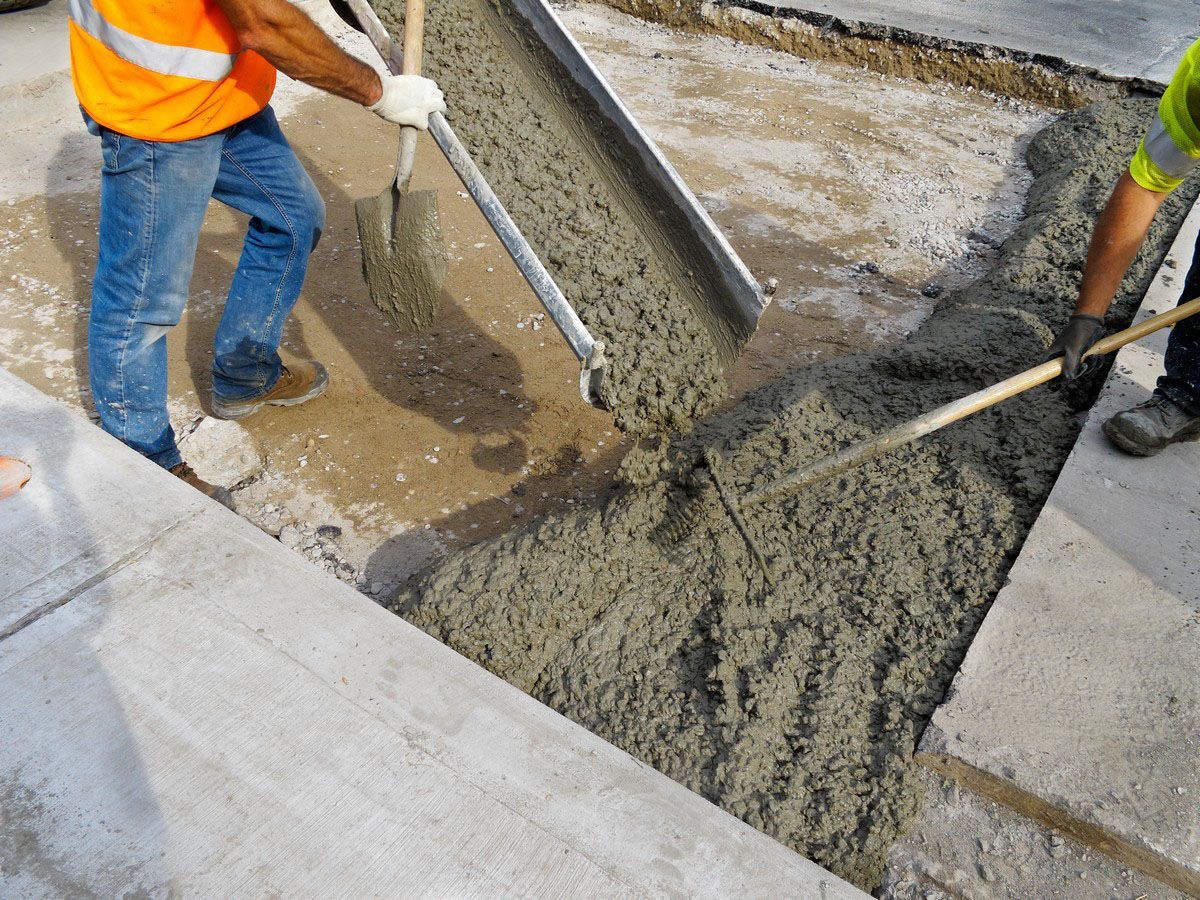
Concrete placement is a critical construction phase requiring experienced crews, suitable equipment, and careful coordination. The material must be distributed and consolidated appropriately to achieve the intended structural characteristics and surface profile.
Professional contractors consider placement conditions, reinforcement positioning, surface elevations, and finishing requirements throughout this phase. Proper execution helps reduce avoidable defects and supports consistent performance across the completed installation.
Finishing techniques depend on the intended application. Some surfaces require a relatively smooth appearance, while others benefit from textured finishes that provide additional traction. Commercial installations may also require specific surface characteristics to accommodate traffic patterns, drainage, or accessibility needs.
A local concrete contractor can explain how the selected finishing method relates to the property’s functional requirements. Understanding these considerations helps property owners recognize why different areas may require distinct treatments.
Control joints and other design details may also be incorporated to manage expected concrete movement. While these features cannot prevent every crack, appropriate planning helps accommodate normal material behavior and reduce the risk of uncontrolled cracking.
Allowing Adequate Time for Concrete Curing
Concrete requires adequate curing time to develop the strength and durability needed for its intended use. Although a newly installed surface may appear solid relatively quickly, its internal strength continues developing after placement.
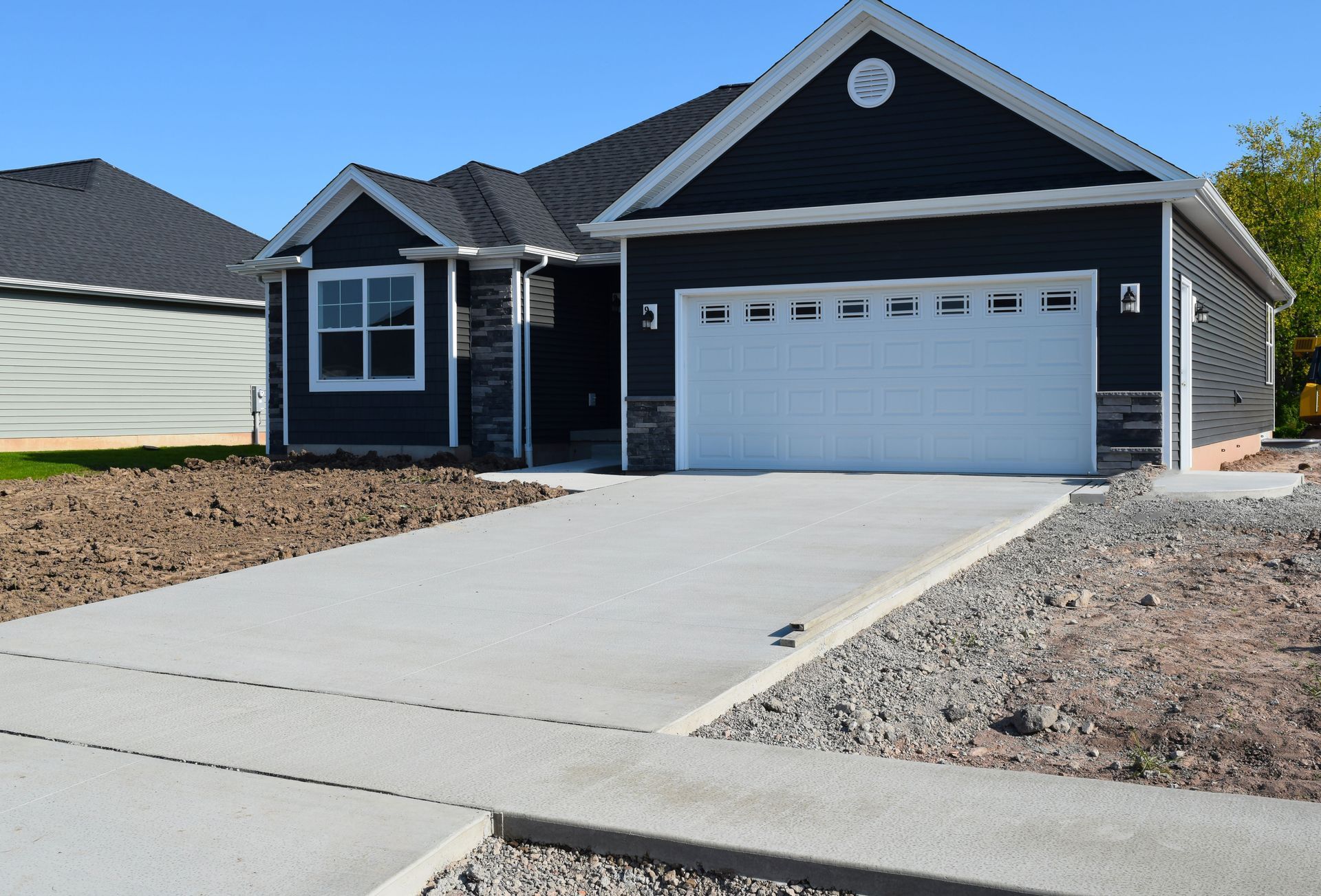
According to NerdWallet, concrete driveways generally require between 7 and 28 days to reach full curing, depending on the applicable conditions. This distinction is important because a surface that appears ready for use may still require protection from excessive loading or premature traffic.
Curing conditions can influence long-term performance. Temperature, moisture availability, and environmental exposure affect how concrete develops strength. Contractors may use appropriate curing methods to help maintain favorable conditions during this period.
Property owners should follow the contractor’s recommendations regarding pedestrian access, vehicle traffic, and other activities that could affect the installation. Allowing adequate curing time helps protect the investment and supports the concrete’s intended service life.
Evaluating the Completed Concrete Project
Once construction is complete, a final review allows property owners to evaluate the finished installation against the agreed project requirements. This assessment may include surface appearance, drainage characteristics, accessibility, finishing consistency, and visible construction details.
A professional contractor can explain normal variations in concrete appearance and identify concerns requiring further attention. Property owners should also receive relevant information about maintenance practices, expected surface behavior, and applicable warranty coverage.
Regular maintenance supports long-term concrete performance. Appropriate cleaning, drainage management, and timely attention to developing damage can help preserve surface functionality and appearance. Understanding these requirements also helps property owners plan for future expenses and avoid unnecessary deterioration.
Planning for Long-Term Concrete Performance
Successful concrete construction depends on more than the installation itself. Careful planning, appropriate materials, professional workmanship, and ongoing maintenance all contribute to reliable performance.
Working with an experienced contractor helps property owners navigate important decisions while maintaining realistic expectations about scheduling, costs, and construction requirements. Clear communication throughout the project supports a smoother experience and helps ensure the finished surface meets its intended purpose.
For property owners preparing for major concrete improvements, professional guidance can make the planning process more manageable. At Asphalt Star, we can discuss your project requirements, explain our available concrete services, and help you explore suitable solutions. Contact us to learn how we can assist with your upcoming concrete project.